There is a piece of planning policy written for buildings whose sums do not work. Most people have never heard of it.
The problem
Buildings like this usually don’t add up. You pay one number to buy, a much bigger one to restore, and finish with something worth less than the two together.
That arithmetic is why so many of them end up as rubble. It is not neglect, or indifference, or bad luck. It is a sum that comes out the wrong way, and no amount of affection for a building changes it.
There is a policy written for exactly this.
The mechanism
Enabling development permits building that would normally be refused — typically new houses in open countryside — because the value it creates pays for rescuing a heritage building that nothing else can save.
It is not a loophole, and it is not discretionary generosity. It is a defined mechanism with a defined test, and the test turns on a single number.
Work out what it costs to repair the building properly, including a fair return for whoever does the work. Then work out what the finished building will be worth. If the first number is bigger than the second — and for buildings like this it almost always is — the difference is the conservation deficit.
That gap is the reason the building is still standing empty. Enabling development exists to close it, and the size of the gap sets how much new building is permitted — not a negotiation, but an assessed figure that the council has independently checked.
Where it comes from
It would be easy to assume this is a Northern Irish curiosity. It is the opposite: a mechanism with more than a quarter of a century of national policy behind it, adopted across all four parts of the United Kingdom.
“Conservation deficit” is a formally defined term in that guidance, with a standard way of calculating it. A planner anywhere in these islands will recognise the phrase and know what evidence to ask for.
The evidence
Torbay, Devon · 2012
A Grade II* mansion in a registered park. Consent for 101 dwellings, granted to fund the restoration of the mansion, its rotunda and stables.
Co. Londonderry · 2022
The Minister approved heritage-led regeneration of the listed William Clark mill: 66 homes created within the listed buildings, and 144 new-build homes alongside to pay for it.
Belfast · 2024
Thirty-three new homes approved expressly as enabling development, to fund the restoration of three listed pavilions — with house completions tied to restoration milestones.
A building that cannot pay for itself is not a lost cause. It is a sum with one term missing.
If you own one
The route is evidential rather than rhetorical. A conservation statement and condition survey establish what makes the building significant. An appraisal sets repair cost against finished value, and is independently checked by the council’s own consultant. The enabling element is then sized to the assessed deficit, agreed early with the council and the Historic Environment Division, and tied into the consent so that restoration and new building proceed together.
It asks for evidence rather than optimism, which is precisely why it works. A case built on real figures can be tested, and a case that survives testing gets built.
A building of this kind
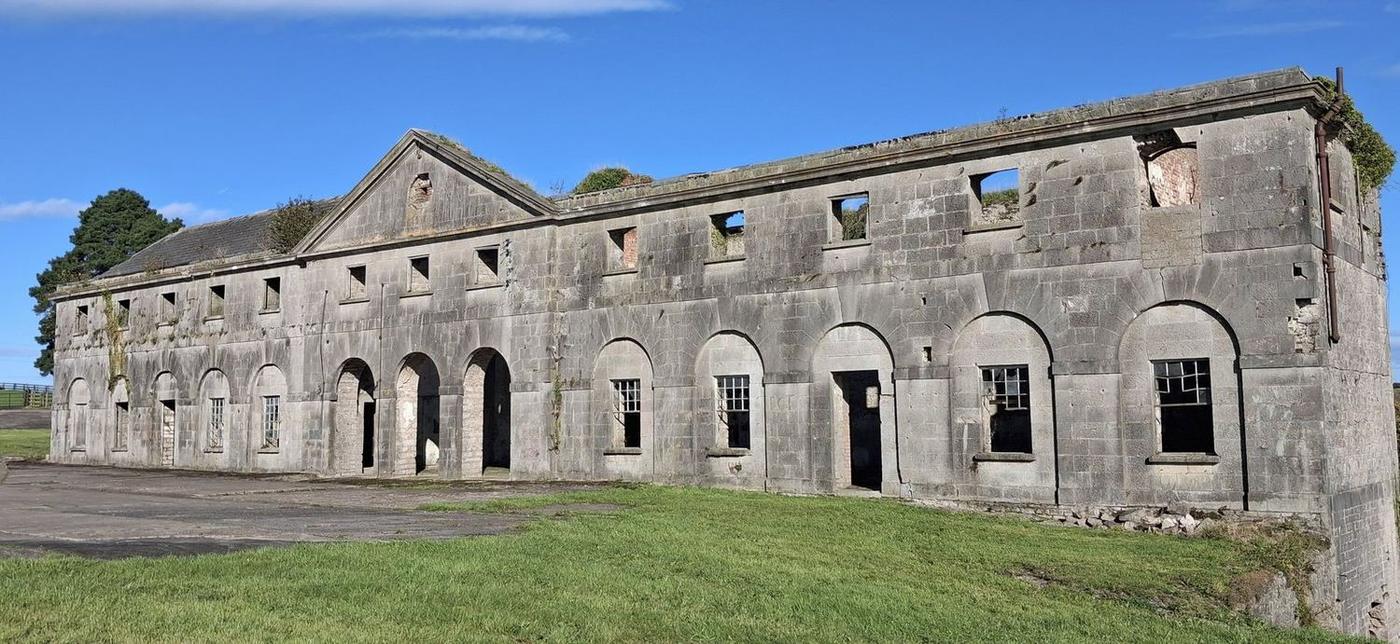
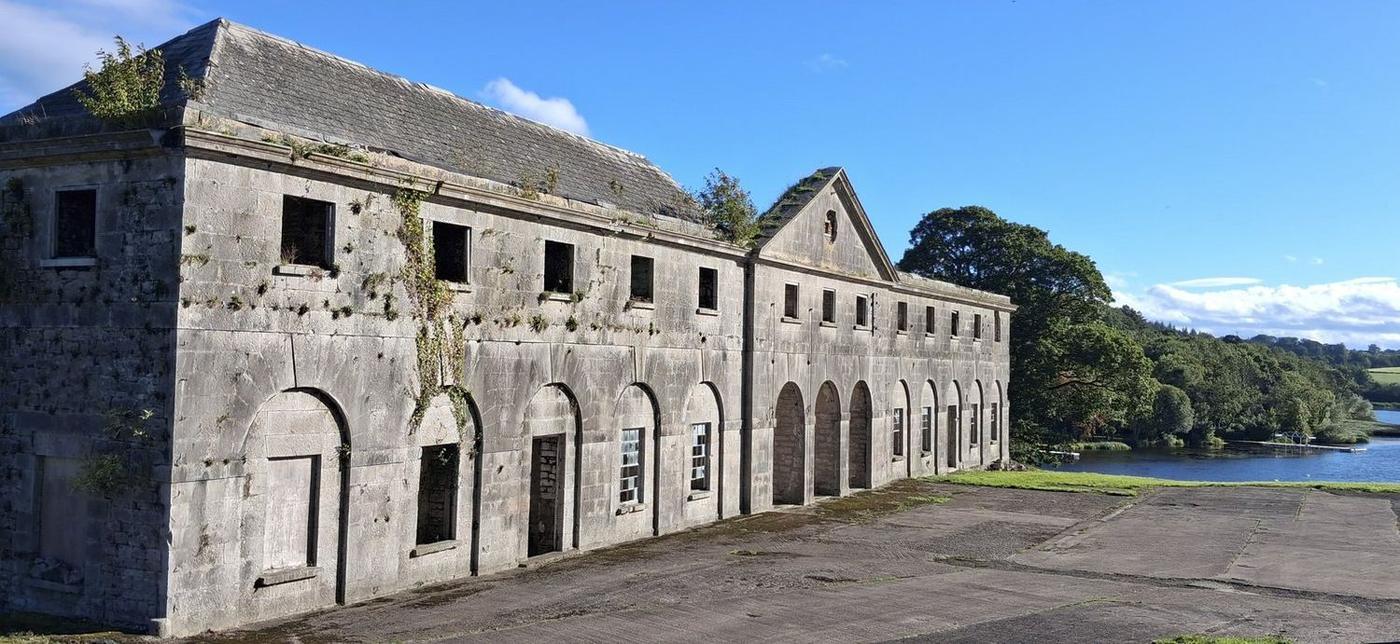
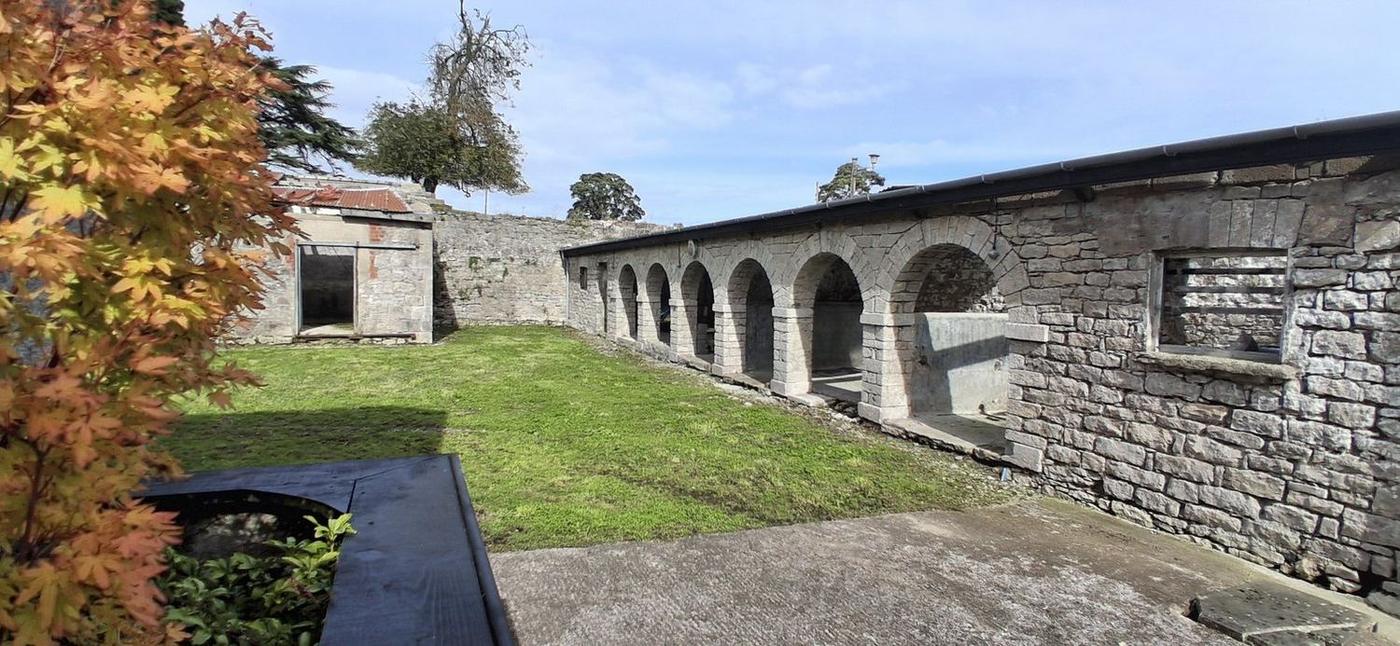
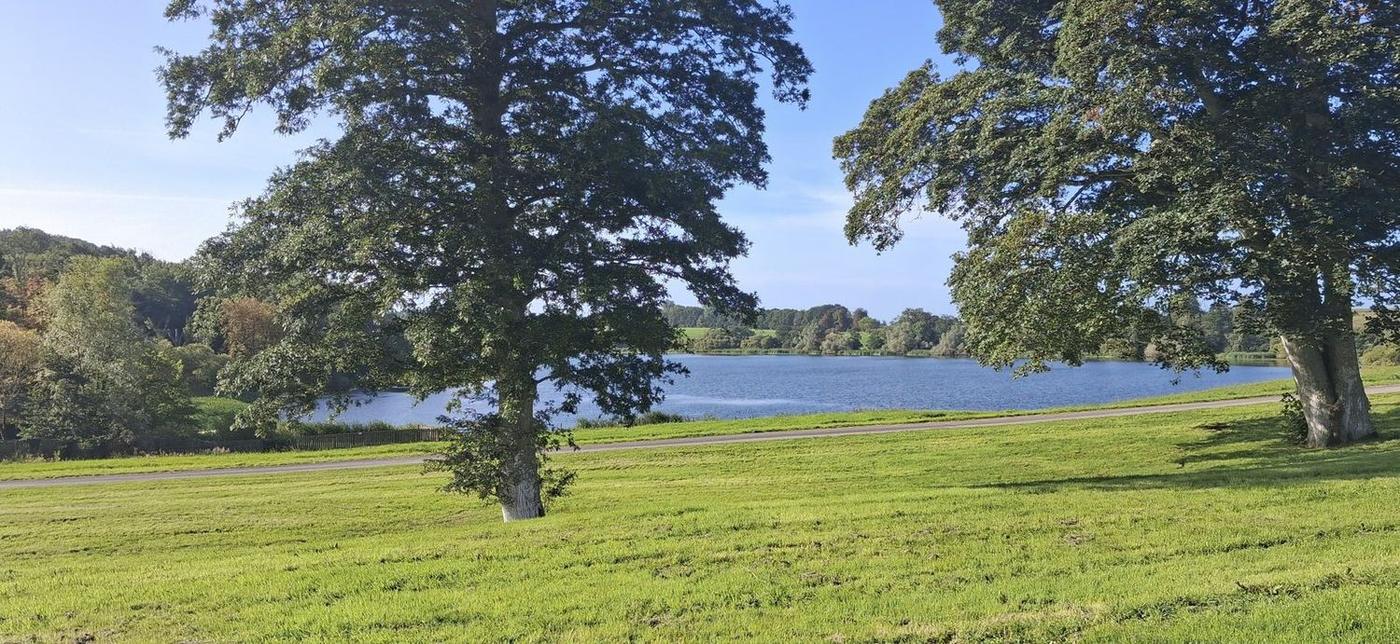
A Thomas Cooley stable block of about 1782, listed Grade B+, on a hill above fifty acres of water in the Castledillon demesne outside Armagh. It is one of the buildings this policy was written for, and it is for sale.